



Okay, so check this out—I’ve been digging into the nitty-gritty of managing Solana wallets, especially when it comes to staking and keeping your crypto safe. At first, I thought it was just about locking your tokens and waiting for rewards, but whoa, it turns out there’s a whole ecosystem of choices that can make or break your experience. Transaction history, for instance, isn’t just a boring ledger; it’s your best friend when tracking staking actions or troubleshooting issues. And then there’s the whole hardware wallet integration thing—something that’s both a blessing and a headache depending on how you set it up.
Something felt off about the usual wallet setups I’d used. They often miss the mark on combining security with usability, especially when selecting validators. If you’re like me, you want to avoid delegating your stake to some shady node just ‘cause it offers higher returns. Trust me, that’s a gamble you don’t want to take.
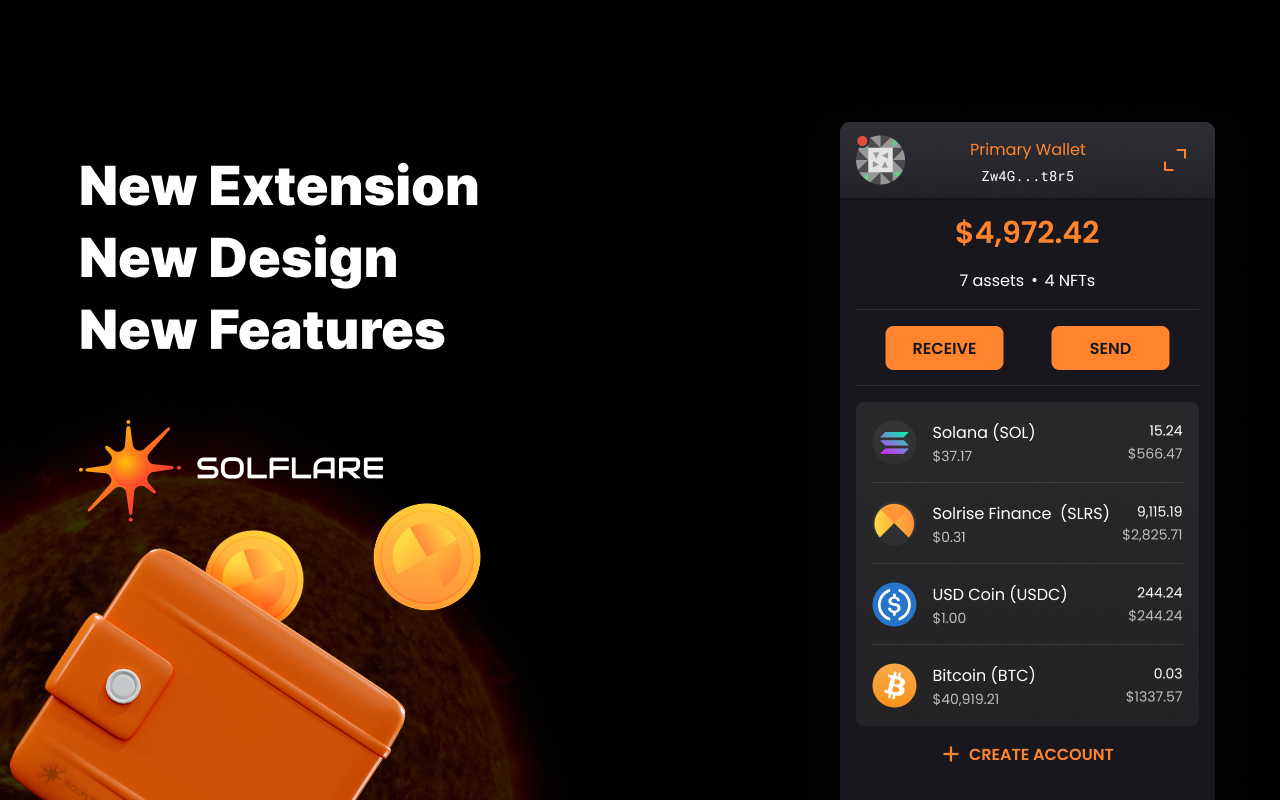
Initially, I thought all wallets were created equal, but then I stumbled upon the solflare wallet extension. It’s more than just a handy tool; it’s like having a Swiss Army knife for Solana staking. You get transparent transaction histories, seamless hardware wallet support, and validator info all in one place. Here’s the thing: managing your staking setup without such a tool feels like fumbling in the dark.
Really? Yeah, I was surprised too. The extension lets you peek under the hood of your staking operations—something not every wallet provides. Plus, it plays nice with hardware wallets like Ledger, which is crucial if you care about security. My instinct said, “This might be the sweet spot between safety and control.”
Although, I gotta admit, the integration isn’t flawless. Sometimes the sync takes longer than I’d like, or the UI throws odd errors when switching validators. But hey, that’s crypto for you—always a bit wild.
Digging deeper, transaction history isn’t just for nostalgia. It’s a vital tool when you want to audit your rewards or confirm the timing of your stake activation and deactivation. For example, if your rewards seem low, you can check if there were any unstaking events or validator switches that caused downtime. Without this transparency, you’re basically flying blind.
On one hand, many wallets show transaction lists, but often they’re cluttered or lack detailed staking info. On the other hand, Solflare’s extension breaks down each transaction with clear labels—stake delegation, reward payouts, validator changes. This clarity is gold, especially for folks who like to keep tight control over their staking strategies.
Here’s what bugs me about some wallets: they hide validator reputation metrics or don’t update them in real-time. You wanna know who you’re trusting, right? Poor validator choice can lead to missed rewards or, worse, slashing penalties. The solflare wallet extension goes a step further by providing validator stats, uptime, and commission rates, helping you make an informed pick.
Honestly, picking a validator can feel like a minefield. Some promise sky-high returns but have spotty track records. Others are rock-solid but less lucrative. I’ve learned to balance between reliability and rewards, leaning towards validators with consistent uptime and reasonable fees. And yeah, sometimes I switch validators mid-stake if I spot red flags.
Integrating hardware wallets into this mix? Now that’s a whole different beast. I’ve used Ledger Nano S and X with Solana before, and it’s a relief to know your private keys never leave the device. The challenge is syncing the hardware wallet with staking platforms without losing your mind. Thankfully, the solflare wallet extension supports hardware wallets smoothly, meaning you can stake securely without sacrificing convenience.
That said, the setup took me a few tries—some connection glitches here, a driver update there. Not everyone’s cup of tea, but once it’s running, it feels bulletproof. I recommend double-checking firmware versions before linking, to avoid those “why won’t this work?” moments.
Oh, and by the way, the extension also saves you from juggling multiple apps. You don’t need separate tools for tracking transactions, managing stakes, or hardware wallet interactions. Everything’s under one roof, which is a rare find in crypto wallets.
So, what about validator switching? It’s not just a matter of clicking a button. Your stake has to deactivate first, which can take a couple of days, during which your tokens aren’t earning rewards. That delay is something I often forget until it bites me. Planning validator changes requires patience and foresight—something the extension helps visualize with clear statuses.
One quirk I noticed: sometimes the UI shows your stake as inactive for longer than expected, even though the blockchain data says otherwise. I suspect it’s a sync hiccup, but it’s enough to make you second-guess your setup. Still, the transparency and control outweigh the occasional glitches.
Let me circle back to transaction history for a sec. If you’re into DeFi on Solana and use staking as part of your broader strategy, having a reliable record of your moves saves headaches. Say you’re moving tokens between staking, liquidity pools, and NFT marketplaces—tracking becomes a nightmare without a clear ledger. The solflare wallet extension logs all these events neatly, which is a huge time saver.
And I feel pretty strongly about security here. Hardware wallet support means you’re not risking your private keys on a browser extension alone. That combo—hardware wallet with a robust extension—feels like the best defense against phishing or malware.
Though, I’m not 100% sure if all hardware wallets have the same level of support yet. I mainly use Ledger. If you’re rocking a different device, double-check compatibility before diving in.
Another thing—validator selection isn’t just about numbers. It’s community too. Some validators engage with the community, provide updates, and have good reputations beyond just uptime. The extension shows some of these signals, which helps me trust my choices more. Yeah, I’m biased towards validators who share regular updates on Twitter or Discord. It’s a little like picking a local mechanic vs. a random shop—you want someone you trust and who’s accountable.
In the grand scheme, managing staking on Solana requires juggling several moving parts. The combination of transaction history, hardware wallet integration, and validator selection forms the backbone of a secure and profitable experience. It’s not just about locking tokens and hoping for the best.
At the end of the day, I like tools that respect my need for transparency without overwhelming me. The solflare wallet extension strikes that balance pretty well, even with its quirks.
Frequently Asked Questions
How does transaction history help with staking management?
Transaction history gives you a detailed record of all your staking-related actions, such as delegations, reward payouts, and validator changes. This helps you track rewards accurately and troubleshoot any issues, like missed payouts or unexpected unstaking events.
Can I use hardware wallets with Solflare for staking?
Yes, Solflare wallet extension supports hardware wallets like Ledger, allowing you to stake securely without exposing your private keys. The integration ensures your keys stay offline while you manage staking operations conveniently.
What should I consider when choosing a validator?
Look at validator uptime, commission rates, reputation, and community engagement. Reliable validators minimize the risk of downtime or slashing and help maximize your staking rewards. Tools like the solflare wallet extension provide these insights to help you decide.














 - Entries